



Unveiling the Importance of
MA Condo Documents
in Real Estate Deals
Understanding the importance of MA condo documents becomes crucial when purchasing condominiums in Massachusetts. These documents provide vital information about a property's financial health, rules, and regulations.
The Role of Due Diligence in MA Condo Transactions
Due diligence is an essential part of real estate transactions. Understanding the importance of MA condo documents becomes crucial when purchasing condominiums in Massachusetts. As part of a real estate transaction, these documents provide vital information about the property's financial health, rules, and regulations.
In this article, we explore MA condo documents and how they impact real estate transactions. In order to protect your interests and make informed decisions, understanding these documents is essential.
In this article, we will explain the purpose and information provided by every document belonging to the association. We'll also discuss common red flags to watch out for, so you don't get caught by surprise.
The information in this article will prepare you to navigate MA condo documents like a pro, regardless of your level of experience.
Types of MA Condo Documents
A variety of financial and legal documents accompany MA condo documents, and they are essential for buyers, sellers, and agents to review. Understanding these documents will help you make informed decisions when investigating a property. Next, we'll look at some examples of MA condo documents.
The Master Deed
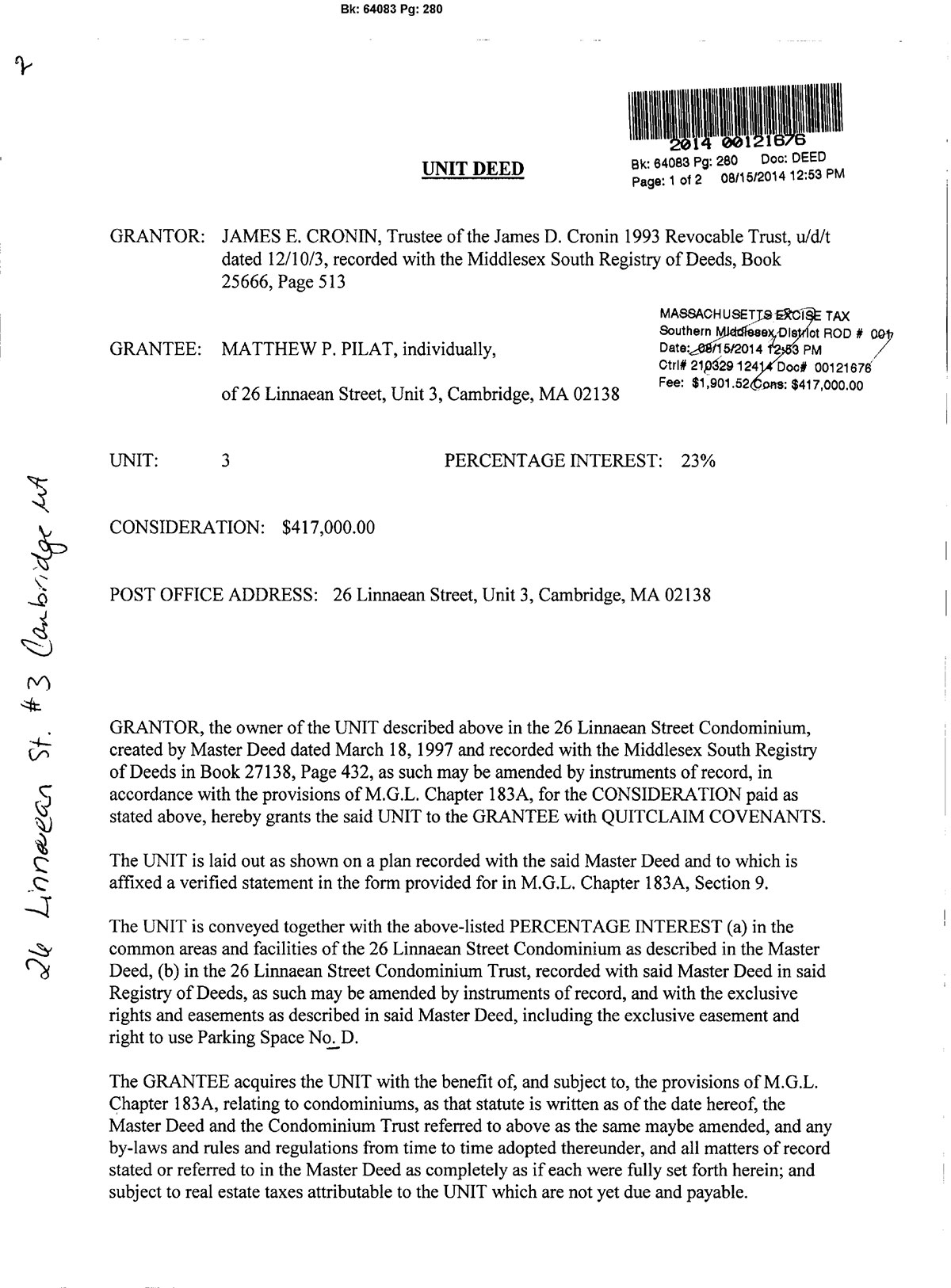
This document formally declares the property to be a condominium and provides for its administration. In accordance with section 183A of the general laws, this document must include a complete description of the land and buildings intended for condominium use and of the common elements, as well as proportionate interests for each unit and floor plans; a statement of the purpose for which the building and units are intended, the method for amending the Master Deed, and the name of the organization responsible for governing and regulating the condominium. The condominium is governed by a Board of Trustees, which is elected by the unit owners.
- Hallways
- Roof
- Foundation
- Exterior walls
- Shared systems
The Declaration of Trust and Bylaws
Unlike the Master Deed, which describes the basic structure of the Condominium, the Declaration of Trust outlines the day-to-day operating rules and regulations for the Condominium. As part of the Declaration of Trust, the following may be provided:
- The way in which the necessary maintenance, repair, and replacement of the common elements and the payments associated with them are handled.
- The manner of collecting from unit owners their common expense shares.
- The procedure for hiring all personnel, including whether or not a managing agent may be engaged.
- The method of adopting and amending administrative rules and regulations governing the details of the operation and use of the common elements.
- Explaining the restrictions and requirements for using and maintaining the units. Additionally, it discusses the use of the common elements not included in the Master Deed.
- The requirements for obtaining funds for repairs, maintenance, and upkeep of common areas, which will be financed by regular or special assessments paid to the Condominium Trust in accordance with each unit's percentage interest. A lien is placed on each owner's interest in common elements for the owner's share of these expenses. By adding this clause, the Condominium is assured that the common funds will be collected.
Along with the provisions required by law, the Declaration of Trust includes numerous other provisions deemed necessary for managing and regulating the condominium. Among these are items such as method for rebuilding after a fire or casualty, or for condemnation, as well as items tailored to each condominium's needs and characteristics.
- Manage expenses
- Maintain common areas
- Enforce rules
The Rules and Regulations
In addition to the declaration of trust and bylaws, many condominium associations have a number of specific rules and regulations that unit owners must adhere to. The rules cover topics such as pet policies, noise restrictions, parking regulations, and more. To ensure that your lifestyle and preferences are aligned with these MA condo documents, you should carefully review them. If you violate the rules and regulations, you may be fined or subject to other penalties. In certain situations, rules and regulations, declarations of trust, and bylaws are interchangeable.
The Financial Statements & Budget
A condominium association's financial statements and budget provide insight into its financial health. There are details in these MA condo documents about the association's income, expenses, reserves, and any outstanding debts. When you review these documents, you can assess the financial stability of the association and determine whether there are any potential financial risks. For ongoing maintenance, repairs, and other expenses, making sure the association has sufficient funds is essential.
- Insurance
- Maintenance
- Landscaping
- Snow Removal
Meeting Minutes
Meeting minutes of a Massachusetts condominium association, also known as condo association minutes, are written records of the proceedings and discussions that occur during the association's meetings. An association's minutes are usually taken by a designated individual, such as its secretary or a professional minute-taker, and are an important part of its official records. It records the meeting of condo owners and what was discussed.
- Roof repair
- Landscaping contract
The Insurance Policy
Typically, condominium associations are responsible for obtaining insurance coverage for the building's common areas and structure. A thorough review of the insurance policy is essential to understanding the extent of coverage and any exclusions or limitations. To protect against potential liabilities, such as accidents or damage to the property, the association should have adequate insurance. Additionally, you may need separate coverage for your personal belongings and individual unit if you are a unit owner.
Unit-Specific Agreements, Codicils, and Modification Documents
These documents are often created when a unit owner makes modifications involving common elements or shared systems. They define responsibility, liability, and ongoing obligations tied to the unit — and those obligations typically transfer to future owners.
Have Questions About
Condo Documents?
We help buyers navigate every part of a Massachusetts condo purchase — including the documents. Reach out for a free, no-obligation conversation about what to look for and what to watch out for.
Let's Talk
No pressure. No obligation. Just a clear, honest conversation.