
01
Discover the best ways to sell your home based on your goals, timing, and property needs — and move forward with a plan that works for you.


(617) 913-3237
Real Estate Company
Smoke Detector Requirements
Explore smoke detector requirements in Massachusetts. Find out where detectors must be installed and what sellers need to pass inspection.
Get Expert Selling Advice
For over 16 years, we’ve helped Massachusetts homeowners sell quickly and confidently. A smooth smoke and carbon monoxide inspection is a must — and we’ll show you exactly how to pass with ease.
In this guide, you’ll learn the simple steps to meet Massachusetts safety rules and protect your sale. Let’s get you one step closer to sold!
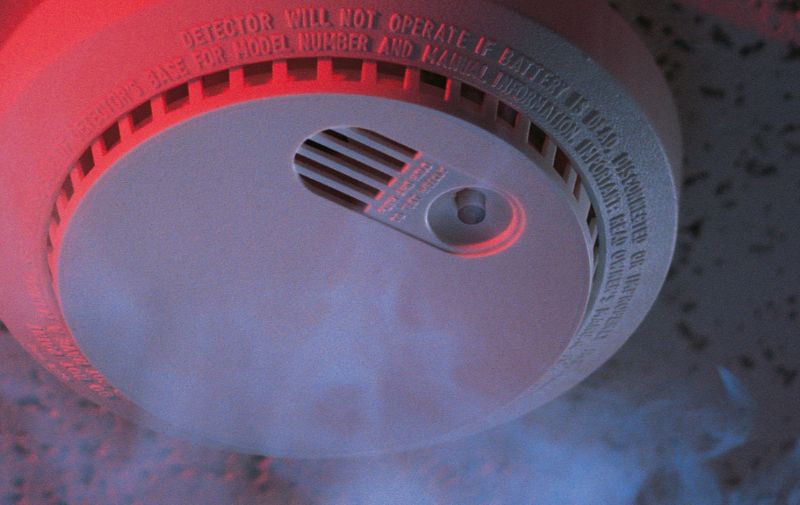
Smoke detector rules in Massachusetts can get confusing fast. The age of your home, any renovations, your heating system, and even your appliances all play a role. With so many moving parts, it’s easy to miss something — but that’s where we come in.
After selling hundreds of homes (and passing just as many inspections), we know exactly what it takes. We’ll guide you through the process and make sure your home is ready to sail through closing.
First, let's examine smoke detectors. Smoke detectors should be installed on every level of your house, including the basement and attic (if it's a living space). Hallways aren't the only place where they might be needed - bedrooms might as well. Every bedroom will need one if your home has recently undergone a significant renovation or is being built from scratch. A detector will also need to be installed outside sleeping areas. Detectors should be strategically placed near stairways (base of the stairs) since smoke rises.
Next, you need to choose the right type: photoelectric or ionization. Please don't let the technical names scare you. It is best to use photoelectric smoke detectors in areas close to kitchens and bathrooms. Why would that be? Because they are less likely to emit nuisance alarms when cooking steam or shower steam is present.
Now, in hallways and living areas, ionization smoke detectors can be installed. It is recommended to use only photoelectric devices since they are permitted in all locations of your home. Combination smoke/carbon detectors are available, offering a streamlined solution for meeting safety regulations. Combination smoke/carbon detectors are recommended for efficiency. Keep in mind that if these are used they must have both a tone and simulated voice alarm to distinguish the type of emergency.
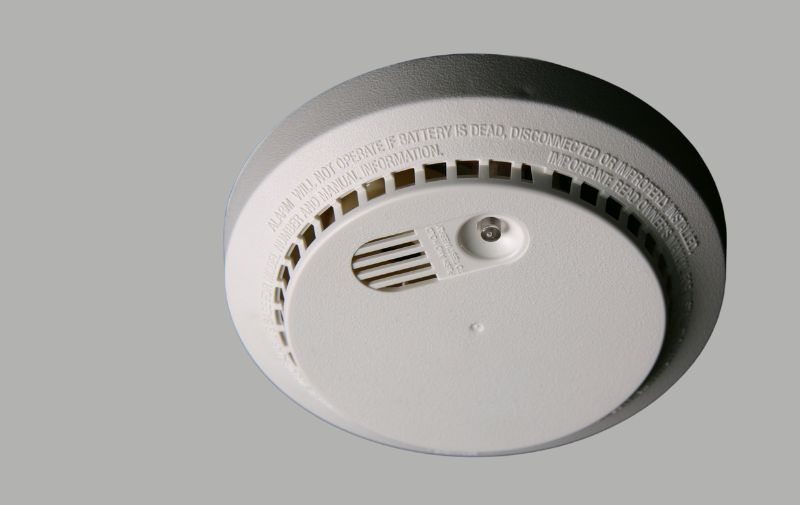
In home safety, photoelectric and ionization technologies are used to detect smoke. The differences between the technologies are listed below.
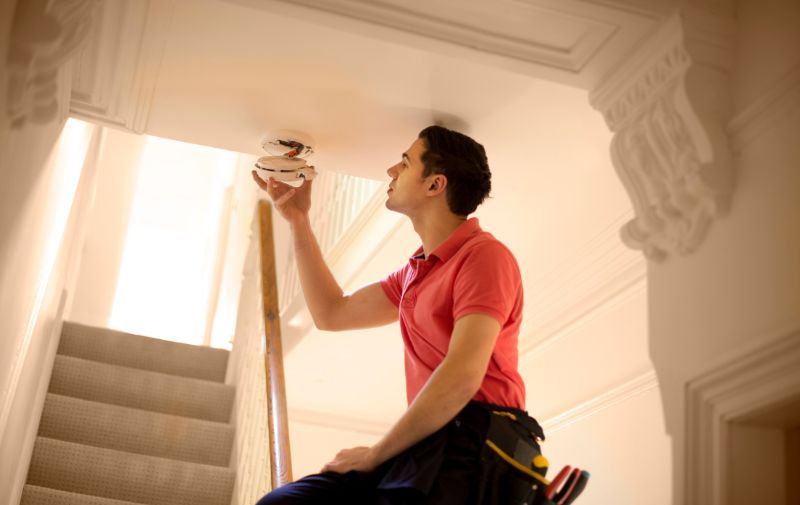
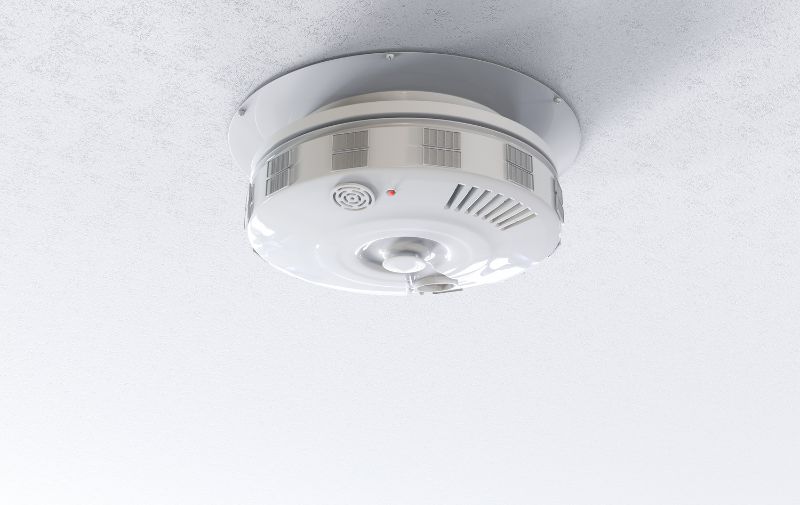
Home sellers, even realtors, often forget these regulations and that they must be followed. Any garage attached to or under the residence must have a heat alarm. It must be hardwired and interconnected with or without battery backup to the existing smoke detection system. Garages of older homes are not required to have heat alarms unless they have been renovated, added to, or modified after January 1, 2008.
For homes built or renovated (permitted) after August 27, 1997, hardwired smoke detectors are required. Directly connected to your home's electrical system, they have a battery backup. There is a huge advantage to this system in that if one alarm goes off, they all go off, offering enhanced safety. In terms of hardwired smoke alarms and carbon monoxide alarms, did you know that they have two different voltage systems? There are some homes that use 24-volt systems, while most use 120-volt systems. The voltage of your smoke detector is usually written somewhere on it. Consult a licensed electrician if you are unsure. Replace your smoke alarms and carbon monoxide alarms with the same voltage when you replace them. It is not recommended to replace a 120-volt smoke detector with a 24-volt smoke detector, or vice versa.
New smoke detectors that are battery-powered must have 10-year, sealed, non-rechargeable, non-replaceable batteries. Smoke detectors and carbon monoxide alarms expire after 10 years. Be sure to check the date of manufacture on each smoke detector. You should replace your smoke detector and carbon monoxide alarm if it has been more than 10 years or if it does not have a date.
It is a requirement that new or replacement alarms come with hush features to prevent nuisance alarms. A hush feature temporarily silences nuisance alarms for a short time, usually several minutes, so you can address the issue. It can be useful if you experience frequent false alarms caused by cooking or other non-emergencies.
In older homes, battery-powered smoke detectors are allowed. Battery-powered or hardwired detectors should be changed annually.

Don't forget about carbon monoxide (CO), a silent odorless killer. This is why Massachusetts smoke detector requirements also include carbon monoxide alarms. Your home must have these lifesavers installed on all levels, including the basement. Every level of the residence must have them, including habitable portions of basements and attics, within 10 feet of each bedroom door. Combination smoke and carbon detectors must have both a tone and simulated voice alarm.
All residences with fossil fuel burning equipment or an enclosed attached garage are required to install carbon monoxide alarms since March 31, 2006. Any such residence that is being sold or transferred is subject to this law.
The term fossil fuel burning equipment refers to any device, apparatus, or appliance that burns fossil fuels, emitting carbon monoxide as a byproduct of combustion. Gas water heaters, oil or gas furnaces, wood or gas fireplaces, wood pellet stoves, gas clothes dryers, or gas cooking stoves are all examples of fossil fuel burning equipment.
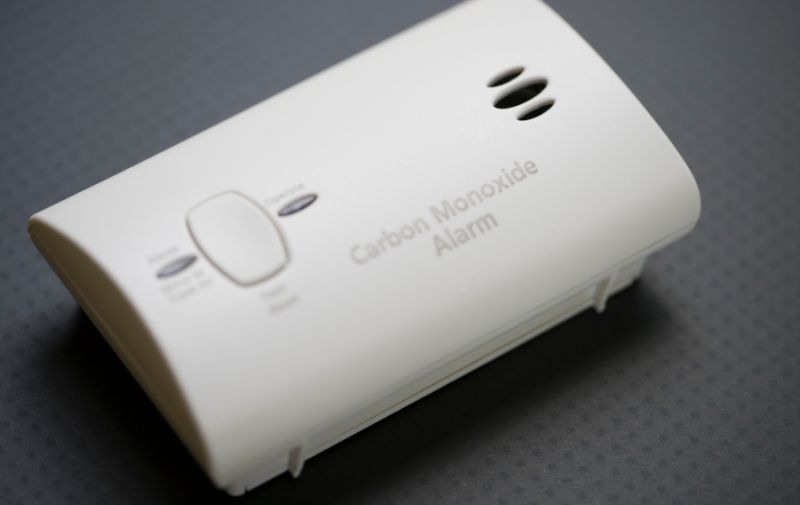
Here’s a quick reference sheet to help you make sense of Massachusetts smoke and carbon monoxide rules. It breaks down exactly what’s required based on when your home was built — so you can stay one step ahead.
The requirements for smoke inspections can vary significantly between towns and cities in Massachusetts. A higher population density and increased risk factors often lead to stricter regulations in urban areas, necessitating frequent and thorough inspections. As you prepare your home for the smoke inspection, the Boston smoke and carbon inspection detector reference sheet is a good starting point. In contrast, smaller towns may follow different protocols, ensuring compliance with state mandates while accommodating local resources and infrastructure. Homeowners should be aware of these variations in order to ensure their properties meet all safety standards.
Understanding the differences between towns and cities is key to a smooth sale. Let’s connect and create a plan that sets you up for success.
Schedule Your Consultation Today
Scheduling your smoke inspection early is critical — fire departments can book out weeks in advance! A seasoned realtor will help you time it right, avoid delays, and make sure you’re covered with a Certificate of Compliance, which most lenders and sales agreements now require. Knowing the timing for your area keeps your sale moving smoothly.
Call Abby TodayMassachusetts law requires a successful smoke and carbon monoxide inspection before any home sale or transfer. Getting your Certificate of Compliance upfront avoids last-minute headaches and keeps your closing on track. We’re passionate about helping sellers like you stay prepared, protected, and one step closer to moving on — and moving up.
Call Jason TodayAccess a curated set of resources designed to help homeowners navigate the selling process with confidence.
01
Discover the best ways to sell your home based on your goals, timing, and property needs — and move forward with a plan that works for you.

02
Maximize your sale price today and pay for improvements at closing — our expert agents will guide you every step of the way.

03
Instantly discover your home's estimated value with our advanced valuation tool — a smarter way to plan your future.
Massachusetts requires smoke alarms on every level of a home, including basements but not unfinished attics. An alarm must be installed inside bedrooms and outside sleeping areas. For homes built after 1975, hardwired and interconnected smoke alarms are mandated. If the house was built before 1975, battery-operated units are allowed. To minimize false alarms caused by cooking, new installations require photoelectric detectors with hush features.
All residential properties in Massachusetts must be equipped with either photoelectric alarms or dual alarms (photoelectric and ionization).To reduce false alarms caused by steam and cooking fumes, photoelectric detectors are mandated near kitchens and bathrooms, while ionization or a combination of ionization and photoelectric detectors are required in other areas. As of December 1, 2016, all newly installed smoke alarms must have sealed batteries that last 10 years.
In Massachusetts, the law requires that every residential dwelling have at least one carbon monoxide detector on each level of the home. This includes basements and habitable attics. Additionally, they must be installed within 10 feet of each bedroom door. For multi-family dwellings or larger homes with numerous bedrooms spread across different areas, more than one detector per floor may be necessary to comply with this requirement.
Homes built or substantially renovated after January 1, 1975 must have hardwired smoke detectors with a battery backup. Older homes may use battery-powered alarms unless major renovations triggered a code update.
You must have at least one smoke detector on every habitable level, inside or just outside of every sleeping area, and at the top or base of stairways. Larger homes or homes with special layouts may require additional detectors.
Massachusetts law requires carbon monoxide alarms on every habitable level of a home that has a fuel-burning appliance, fireplace, or attached garage. Detectors must be located outside sleeping areas and in locations specified by the fire code.
Before selling a home, sellers must obtain a Certificate of Compliance from the local fire department, confirming that smoke and carbon monoxide detectors are installed correctly and meet all state requirements.
In many cases, Massachusetts requires photoelectric smoke detectors, especially near kitchens and bathrooms to reduce false alarms. Homes built after 1975 often need hardwired detectors with battery backup.
Smoke detectors must be installed on every habitable level, outside each sleeping area, and at the top and base of stairs. Placement rules vary slightly depending on the home’s age and updates.
A smoke certificate (Certificate of Compliance) is issued after a successful inspection by the local fire department. It verifies that your home meets smoke and carbon monoxide detector laws — and it’s legally required to sell or transfer property.
You can buy them at any small or large hardware store. The large home improvement stores like Lowes and Home Depot carry them.
Stores aren't required to carry ONLY products that fit the codes. Stores will sell you ANYTHING. Be sure to be very careful in choosing which ones to buy. Your realtor can help ensure you buy the correct ones.
Massachusetts applies the same smoke and carbon monoxide (CO) requirements to 3-family homes as it does to single- and two-family properties, with added attention to common areas. You’ll need working smoke detectors on every habitable level, outside each sleeping area, and in shared spaces like stairwells or entryways.
If the home was built or renovated after 1975, hardwired, interconnected smoke alarms with battery backup are required. Older homes may use 10-year sealed battery-powered photoelectric alarms if hardwiring wasn’t previously required. CO detectors must be placed on every level and within 10 feet of each bedroom. A Smoke & CO Certificate of Compliance is required from the local fire department before the home can be sold.
Multi-family buildings in Massachusetts must have smoke and CO detectors installed in each unit and in shared common areas. Requirements vary by build date:
Most Massachusetts towns charge between $25 and $75 for a smoke and carbon monoxide inspection to issue a Certificate of Compliance.
Multi-family homes often pay more — for example, $75 for a two-family and $100+ for a three-family. If updates are needed (like replacing outdated detectors or adding hardwiring), costs may rise to $200–$500+, especially if you need an electrician.
Certificates are valid for 60 days, and re-inspections typically cost $25–$50. Check with your local fire department for exact fees and scheduling procedures.

ADUs Are Now Legal Statewide
An ADU is Now Legal By Right
Have Repairs Done Before You Sell With No Cost
Borrow With No Interest Loan To Have Repairs Done & Pay At Closing
Home Selling Options
With Us You Have Many Options. Learn About Them
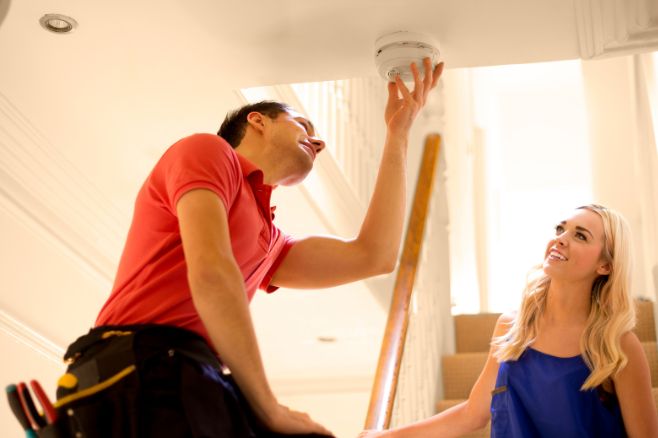
Massachusetts Smoke and CO Requirements
Smoke and Carbon Monoxide Detector Requirements in Massachusetts
Read the Massachusetts Guide
Read the Guide to Massachusetts Smoke and Carbon Monoxide Requirements When Selling
Whether you’re just exploring your options or ready to get started, we’re here to help. Reach out today and let’s plan your next steps with confidence.
Get instant property value now!